
Preparing for interviews as a creative: Practical tips for a confident approach
By Ben Walker on 23 April 2026
Interviews can be daunting, even for the most prepared professionals. It’s normal to feel nervous, wonder if you’ll say the right thing, or worry about unexpected questions. The good news is that with the right preparation, mindset, and approach, you can enter any interview with confidence.
In this guide, I’ll share practical strategies for structuring your project explanations, presenting your portfolio effectively, and navigating tricky questions. I’ll also cover mindset shifts that help reduce stress, ways to research and connect with a prospective employer, and tips for virtual interviews, from technical setup to post-interview follow-up. Whether you’re stepping into your first interview or looking to improve your technique, these insights are designed to help you present your best self and make a lasting impression.
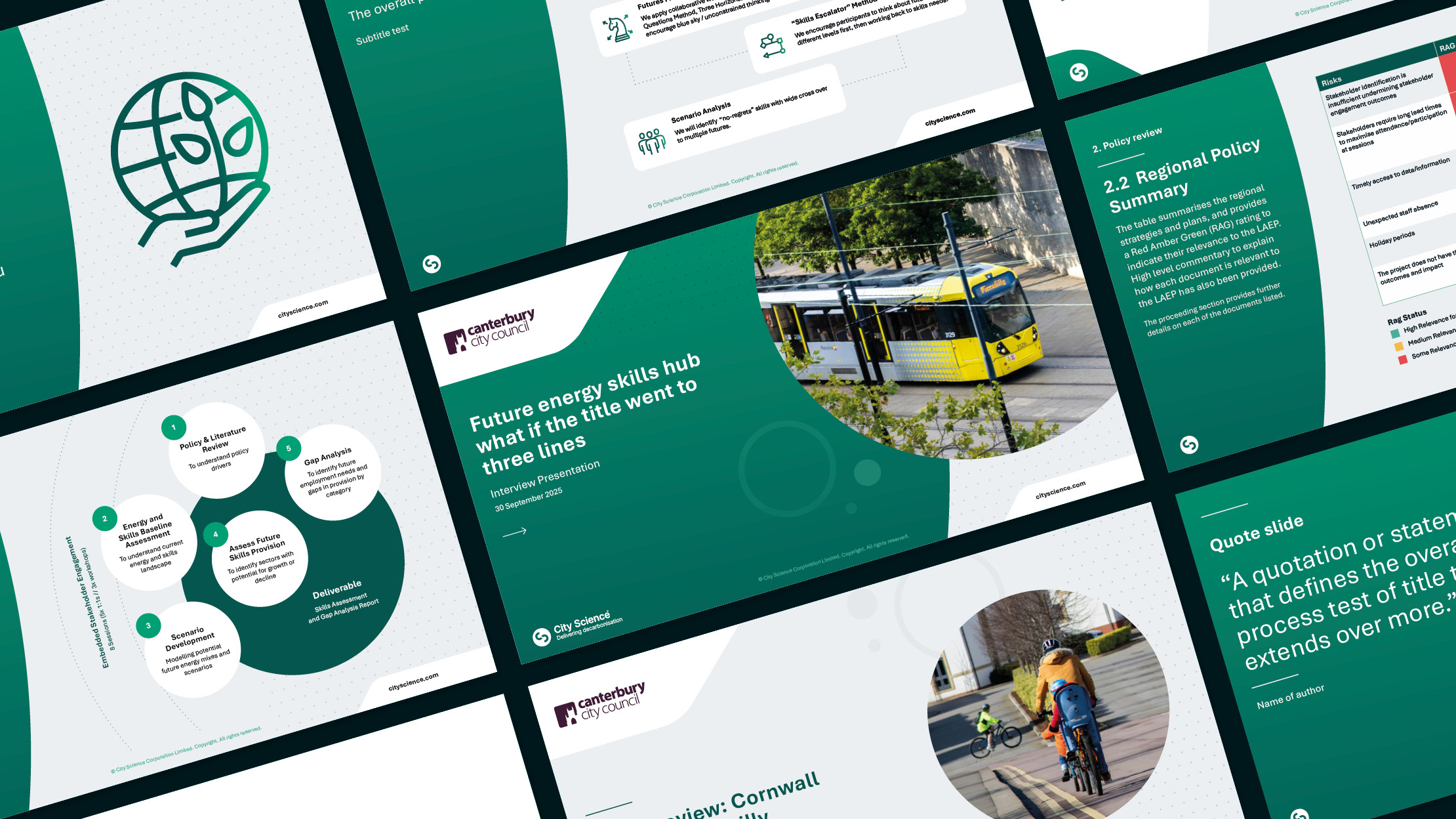
Finding interviews challenging isn’t uncommon, and I used to find it tricky too. My “cheat code” was to write a rationale alongside the examples of work in my portfolio, which I could then use as a prompt if I got nervous. Having the key points in a paragraph or two beside the visuals means you can even read from a script if needed, at least until you relax and settle into it.
What you write for each rationale can vary depending on the type of project, but a strong starting point is a simple “who, what, why” framework. For example, begin by outlining the client (who), the project deliverables (what), and the purpose of the work, along with its intended outcomes (why). This creates a clear and grounded introduction that helps the reader quickly understand the context.
From there, you can move into more detail about your creative approach. This might include explaining the concept behind the work, such as the direction you explored for a logo, and the reasoning behind your decisions. For instance, why you selected a particular colour palette, how your choice of typefaces supports the brand’s tone, and how these elements work together to communicate the desired message.
It’s also valuable to highlight any key challenges or constraints you encountered, and how you addressed them. This demonstrates problem-solving ability as well as creative thinking. Where possible, link your decisions back to the original objectives, showing how your approach contributed to a successful outcome.
Finally, if you have measurable results or feedback, such as improved engagement, client satisfaction, or performance metrics, include these to reinforce the effectiveness of your work. This helps move your explanation beyond description and into impact, which is often what employers or clients are most interested in.

Shifting Your Mindset
The other shift I made was in my mindset. I told myself that it didn’t matter whether I got the job or not. This is a slightly sideways approach to interview technique; of course, it does matter, but adopting a “what’s for you won’t go by you” mindset can help you relax and perform more confidently in an interview. It’s a simple technique, but it can be very effective.
It might feel counterintuitive, but it helped me enter interviews with confidence, which in turn reassured the prospective employer that I could deliver. Being nervous is normal, but if you can reduce that feeling, it can make a real difference. Even having project rationales ready to refer to can boost your confidence, as it is one less thing you have to think about and shows you’re well prepared.
Research the Company
Before the interview, research the company thoroughly. Familiarise yourself with their offerings, recent work, blog articles, and get a sense of their culture through social channels.
It’s very common to be asked if you have any questions at the end of an interview. Having thoughtful questions prepared shows that you care about the opportunity and have taken the time to understand the company’s ethos. Preparing two or three questions not only leaves a positive impression but also helps extend the conversation and gives you a better sense of your prospective employer.
If you get a curveball question, take your time. Think it through, and if necessary, it’s perfectly acceptable to ask if you can come back to it later. Following up after the interview with a thoughtful response allows you to address the question thoroughly and provides an additional opportunity to engage with the employer.

Practical Tips for Virtual Interviews
Before the Interview
Ensure your internet connection, microphone, and camera are all working properly well in advance of the interview. If possible, test everything on the platform you’ll be using (e.g. Zoom / Teams / Google Meet) and do a quick trial run with a friend or colleague. Check your lighting and background too, aim for a clean, uncluttered space with good lighting on your face. This helps you come across clearly and professionally, without any last-minute stress of having to find your login details for a particular app you don’t commonly use. We’ve all been there.
During the Interview
Make a conscious effort to look at the camera when speaking, rather than just at the screen. This creates the impression of eye contact and helps build a stronger connection with the interviewer. Sitting up straight with good posture also signals engagement and confidence, even if you’re feeling nervous. Small non-verbal cues, like nodding, smiling, and avoiding distractions, can make a big difference in how you’re perceived.
Have your portfolio ready to share instantly. Whether it’s a website in a single browser window without lots of other distracting tabs open or a PDF presentation, make sure it’s open and easily accessible so you can move smoothly into discussing your work. If you’re presenting, briefly guide the interviewer through what they’re seeing rather than assuming they’ll interpret it themselves. This shows clarity in your communication as well as your thinking.
After the Interview
Follow up with a polite and professional thank you email within 24 hours. Keep it concise, thank them for their time, and, if possible, reference something specific you discussed to make it more personal. This is also a great opportunity to reiterate your interest in the role and briefly reinforce why you’re a good fit. If there was a question you felt you could have answered better, you can use this as a chance to provide a more considered response.


Thank you
Success! We've received your message and will get back to you as soon as possible. We look forward to chatting to you.

“From start to finish, Firefly were great to work with. They understood the objectives of the project and what I was trying to achieve, and provided regular updates throughout. The project was managed very efficiently and I am extremely happy with the result. Thank you!”
Lucy Ozanne
CPD & Training Officer
Law Society of Scotland