
Better by design: Creating accessible healthcare experiences
By Connor Henderson on 19 October 2026
When it comes to healthcare, accessibility should be at the heart of every interaction.
Healthcare is an industry built around people. Every experience matters, from booking an appointment and accessing medical information to managing ongoing treatment and communicating with healthcare professionals.
Unlike many other digital experiences, healthcare design often supports people during some of the most important and vulnerable moments of their lives. This means usability, clarity and accessibility are not simply design considerations. They are essential.
Designing with accessibility at the forefront ensures that everyone, regardless of age, ability or circumstance, can access the information and services they need with confidence.
Understanding the role of accessibility in healthcare design
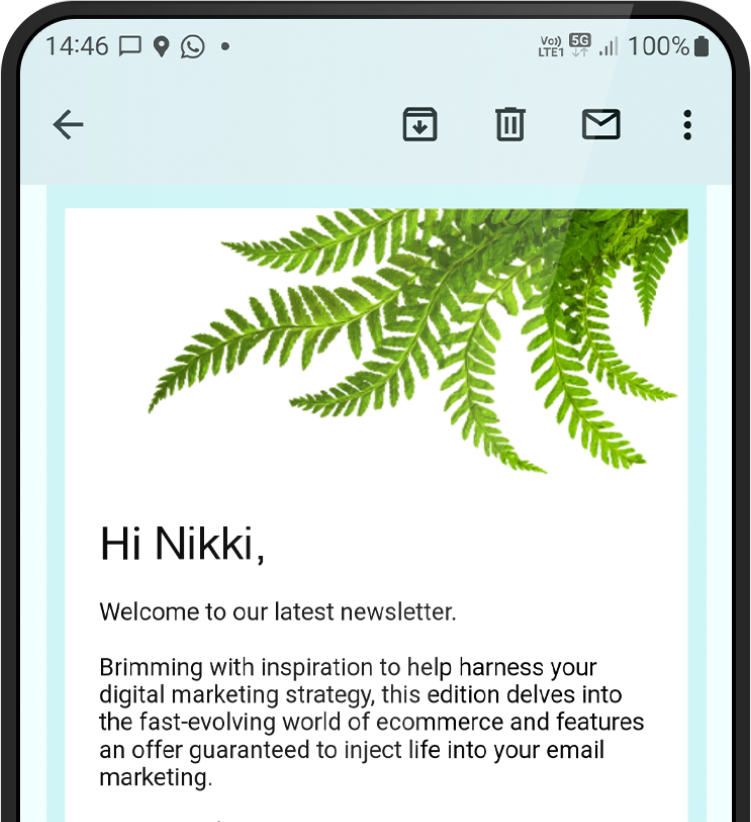
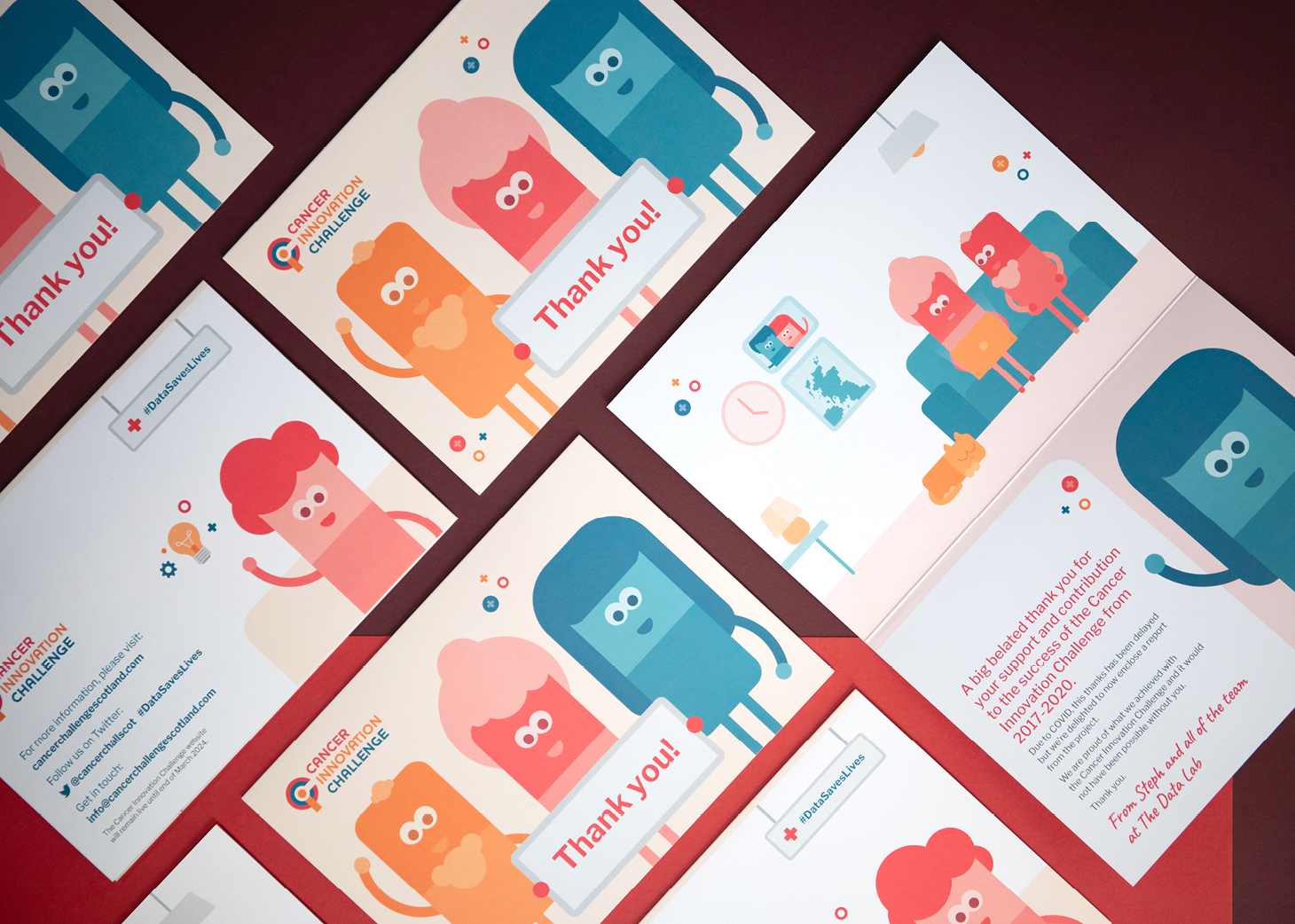
Accessibility is all about removing the barriers that prevent people from using products, services and digital platforms effectively. In healthcare, this is particularly important because users have a wide range of needs and challenges.
A patient may be navigating a website while dealing with stress or uncertainty. Someone with a visual impairment may rely on assistive technology to access important information. Another person may have limited digital confidence and need a simpler, clearer journey.
Good healthcare design considers these different experiences from the very beginning, ensuring that services are inclusive rather than expecting users to adapt. Accessibility is not about creating separate experiences for different groups of people. It is about designing one experience that works better for everyone.




Caption here
Why healthcare needs inclusive design
Healthcare services are used by people with diverse abilities, backgrounds and levels of confidence. Designing only for the average user can unintentionally exclude those who need support the most.
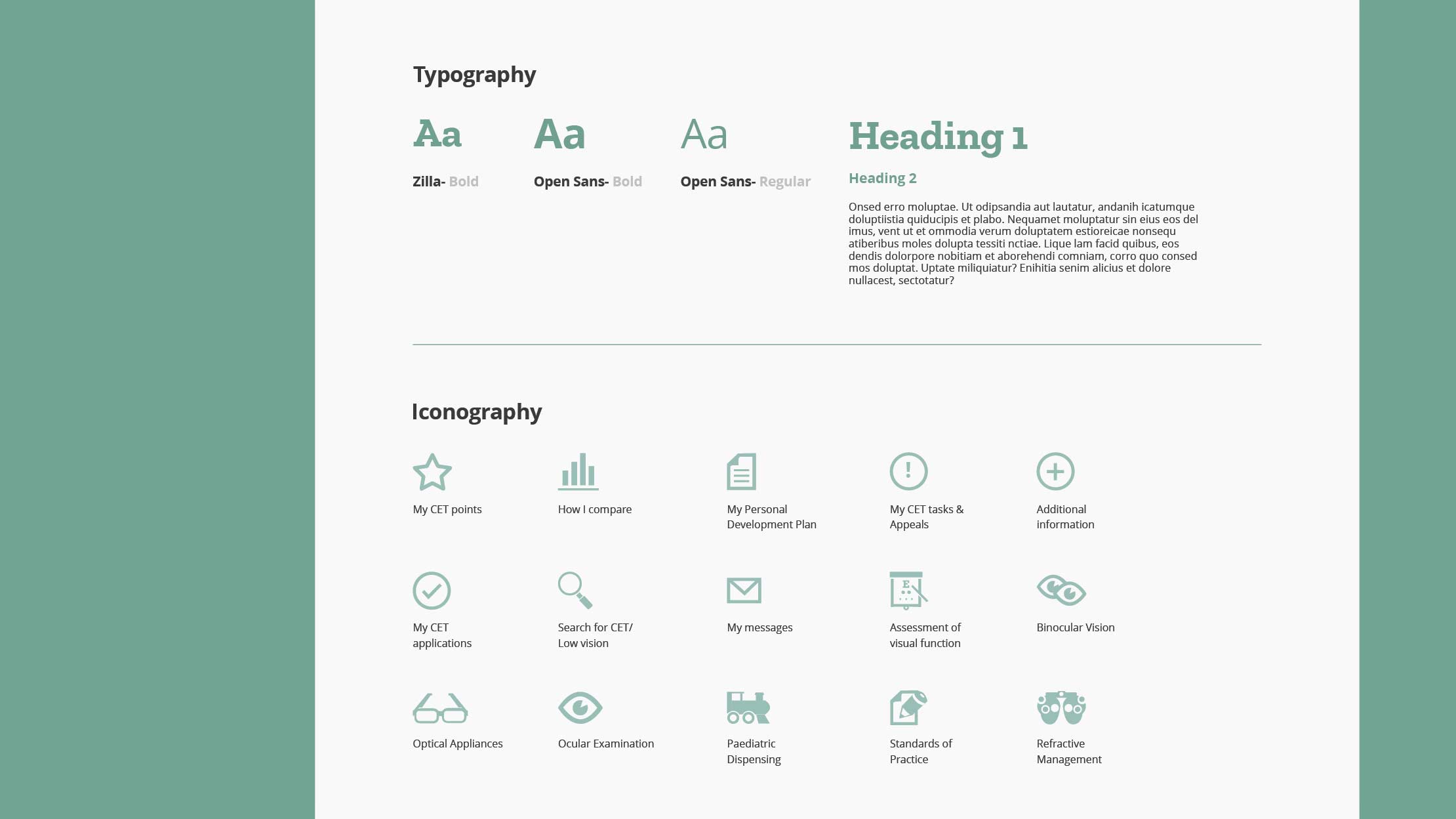
Unclear navigation, small text, poor colour contrast or complicated forms can create unnecessary obstacles. These issues may prevent someone from booking an appointment, understanding medical guidance or completing an important task.
Accessible design helps create healthcare experiences that are easier to understand, easier to use and more reassuring for patients. Simple choices such as using clear language, providing strong visual contrast, creating logical layouts and ensuring compatibility with assistive technologies can have a significant impact.
Accessibility also helps build trust. People need to feel confident that they can access accurate information, complete tasks successfully and understand what happens next. A clear and considerate digital experience helps patients feel supported and demonstrates that a healthcare provider puts people first.
Importantly, accessibility benefits everyone. Clear content, well-structured layouts, captions, larger buttons and intuitive interactions improve the experience for all users, not just those with disabilities. This is especially important in healthcare, where people may be anxious, tired, unwell or accessing services on a mobile device in less than ideal conditions.
Accessibility is the future of healthcare design
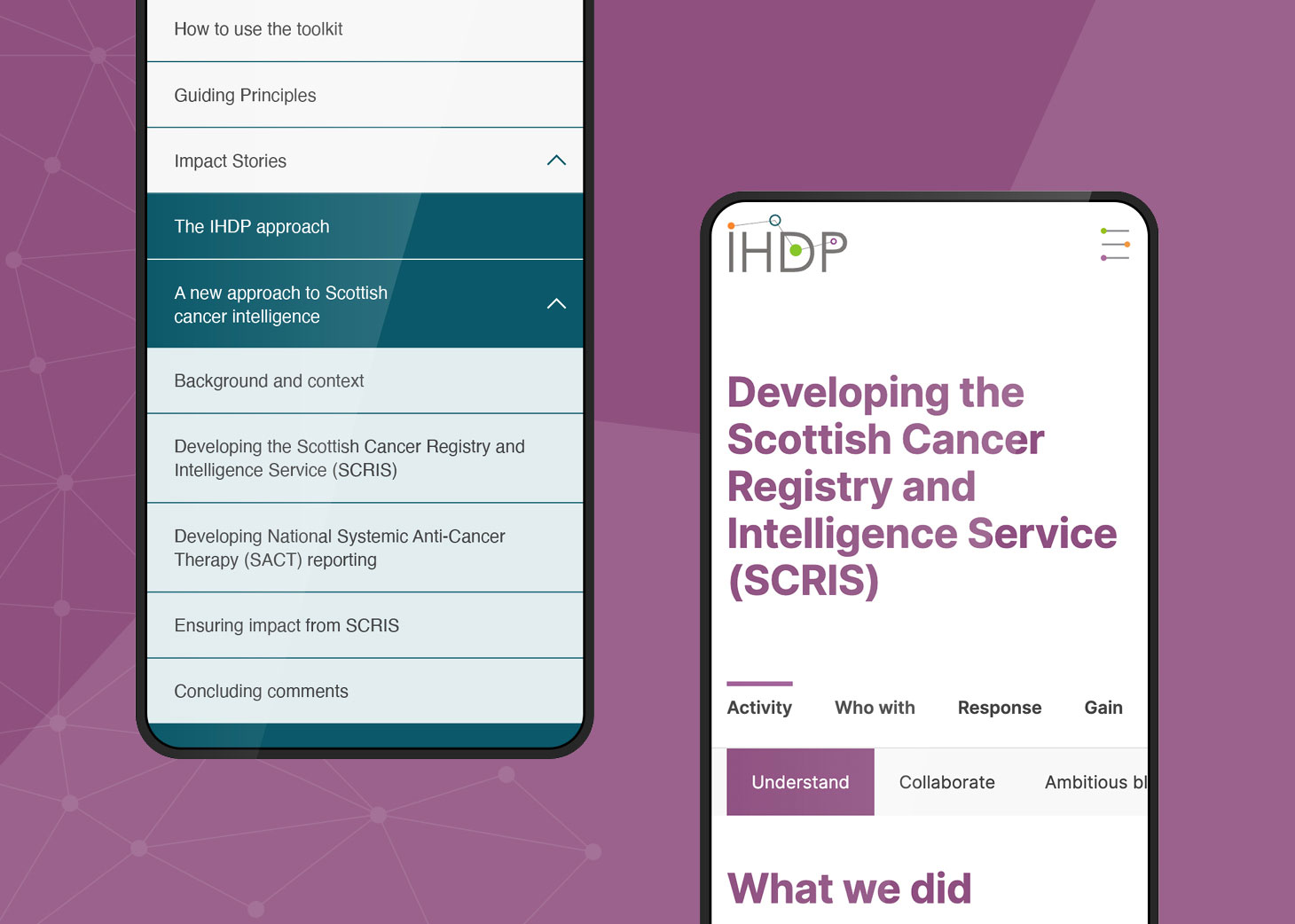
As healthcare continues to become more digital, accessibility will play an increasingly important role in ensuring technology improves access rather than creating new barriers.
Inclusive design helps healthcare organisations reach more people, build stronger relationships and provide better experiences for patients.
Ultimately, accessibility is not an additional feature. It is a fundamental part of responsible healthcare design. When we design with everyone in mind, we create healthcare experiences that are more human, more inclusive and more effective.
Explore some examples of our work within the healthcare sector here.

Thank you
Success! We've received your message and will get back to you as soon as possible. We look forward to chatting to you.

Carol Harris
Communications and Public Affairs Manager
The Royal College of Nursing Scotland